
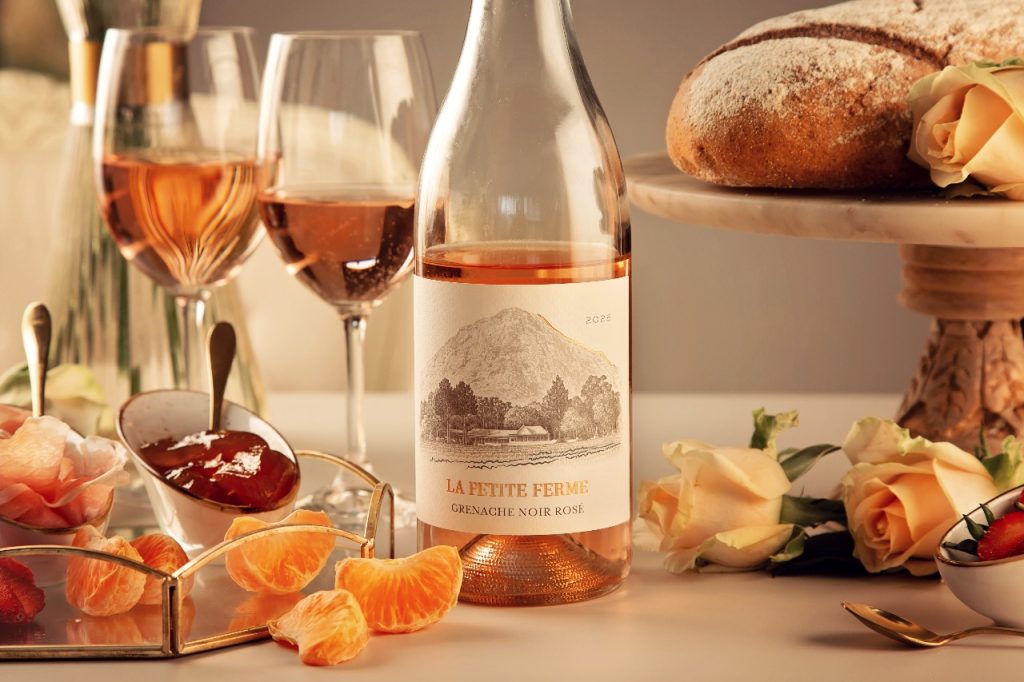
Behind the Vines at La Petite Ferme’s Boutique Winery – A Day in the Life
Days on a working wine farm follow a steady, disciplined rhythm. La Petite Ferme shares that rhythm through its boutique winery Franschhoek experience, where vineyard work, cellar decisions and tasting moments give you an immersive experience. You learn how wine is made on a Franschhoek wine farm and gain perspective by seeing how vineyard and cellar decisions play out day by day.
- Morning vineyard checks guided by season and slope.
- Hands-on cellar work shaped by daily decisions.
- Intimate tastings that explain varietal character.
- Food and wine pairing grounded in place.
Work begins early on the slopes above the valley. Vineyard checks respond to weather, soil condition and vine health, not fixed schedules. The verdant rows along the Olifants Pass and Middagkrans range demand attention because elevation and exposure influence ripening patterns. This is where a working wine farm day becomes tangible. Decisions here determine flavour concentration, acidity and balance long before grapes reach the cellar.
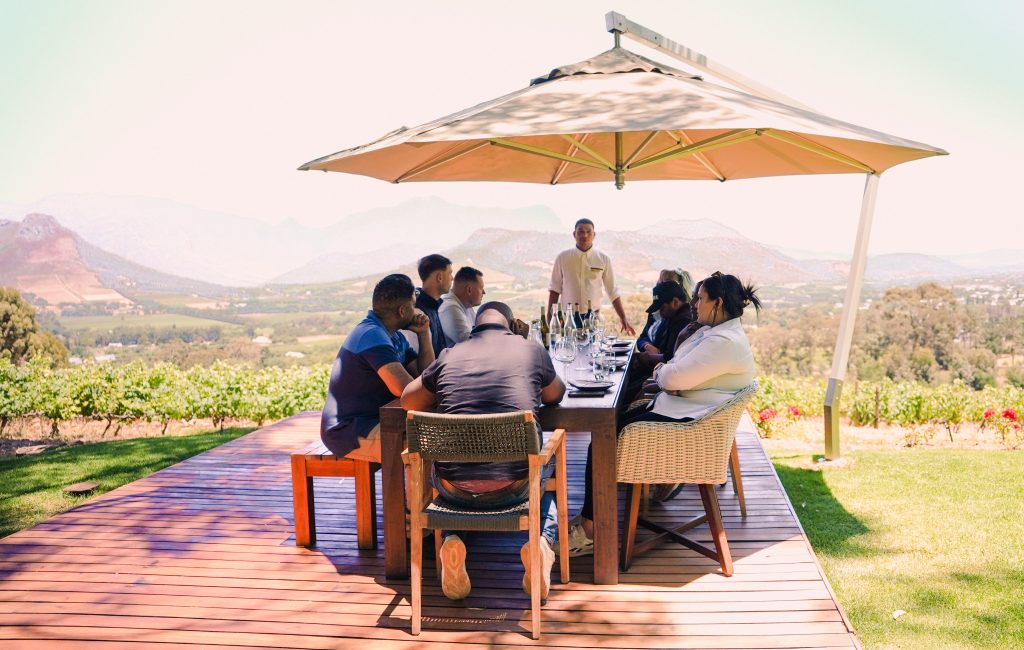
Guests joining a vineyard walk see this process unfold without pomp and presentations – real people doing real work. The conversation stays practical: Why one block ripens sooner, why another waits. The land dictates the pace and the day follows.
Inside the Cellar
The cellar carries a different tempo. Fermentation requires monitoring and barrels demand the patience of an oak tree. Small-batch production leaves little room for shortcuts and, as a small batch wine production farm in South Africa, volumes stay controlled, so attention needs to be very precise.
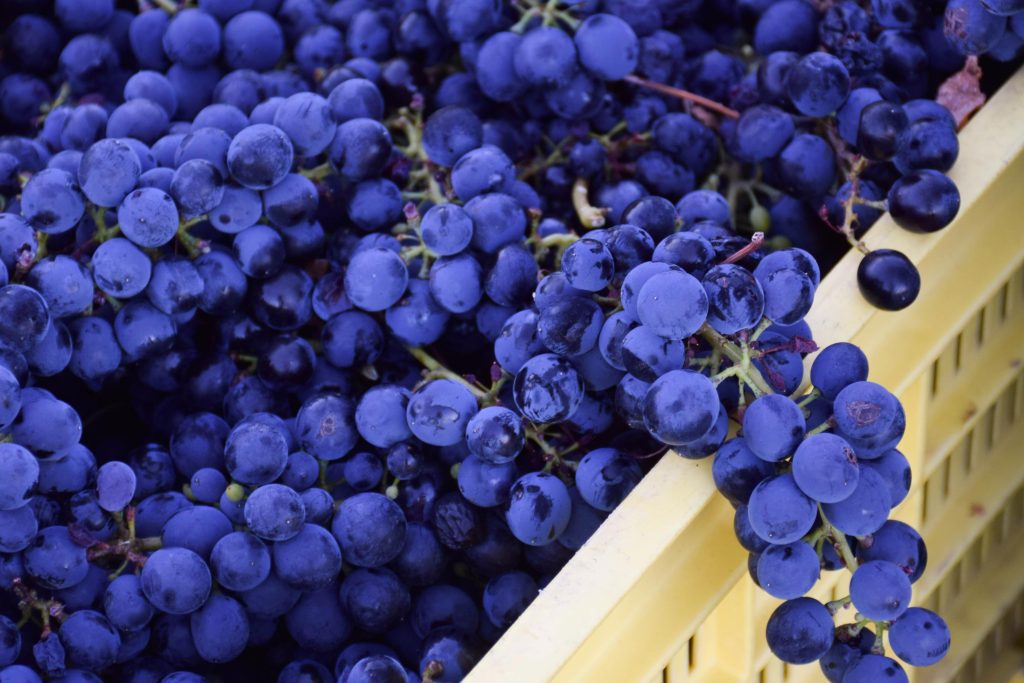
The winemaker, Wikus Pretorius, makes choices based on the signals he gets from the fruit and the traditional style of La Petite Ferme, which leans toward restraint, allowing fruit character and site expression to lead.
According to guidance from the South African Wine Industry Information & Systems body, careful vineyard selection and controlled cellar practices play a direct role in preserving regional identity within wines. That principle informs daily work here, from tank decisions to barrel selection.
Tasting With Context
Wine tasting follows naturally from the cellar exploration. Rather than presenting bottles in isolation, the tasting frames each wine within the day’s work. Guests sample reds, whites and rosé while discussing harvest timing, fermentation choices and ageing considerations. This approach answers common questions around wine tasting experiences in Franschhoek and what happens on a boutique wine farm without formal scripts.
The flavours you savour will make more sense because you have greater knowledge of the origins – from root to fruit.
Where Food Fits In
Our renowned restaurant completes the loop. Seasonal dishes echo what the vineyard and cellar deliver. Pairings are carefully selected to support the palette goals of the chef. Lunch or dinner after a tasting reinforces how wine fits into daily farm life, not as a standalone product but as part of a broader system.
Book your immersive boutique winery tasting experience in charming Franschhoek.
FAQs and Answers
1. What happens during a day at a boutique winery in Franschhoek?
A typical day includes early vineyard checks, hands-on cellar work, guided tastings and food pairings. Guests see how vineyard decisions influence fermentation, ageing and final flavour profiles.
2. Can you walk through the vineyards at La Petite Ferme?
Yes. Guests can join guided vineyard walks where seasonal conditions, slope, elevation and vine health are explained. The experience focuses on real working farm practices rather than staged presentations.
3. How is wine made on a Franschhoek wine farm?
Wine production begins with careful vineyard monitoring to manage ripeness and acidity. Grapes are then harvested, fermented under controlled conditions, and aged in tanks or barrels to preserve varietal character and regional identity.
4. What makes small batch wine production different?
Small batch wine production allows greater control over fermentation, barrel selection and ageing. Lower volumes mean more precise attention to detail and stronger expression of site and fruit.
5. Who is the winemaker at La Petite Ferme?
The winemaker is Wikus Pretorius. His approach favours restraint, allowing fruit character and vineyard expression to lead while maintaining balance and structure.
6. What wines can you taste at La Petite Ferme?
Guests typically taste a curated selection of reds, whites and rosé wines. Each tasting explains harvest timing, fermentation choices and ageing methods to provide full context.
7. Is food included in the boutique winery experience?
Wine tastings can be paired with seasonal dishes from the restaurant. Pairings are selected to complement both the wine profile and the chef’s flavour direction.
8. Do I need to book in advance for a winery tasting in Franschhoek?
Advance booking is recommended, especially during peak travel seasons. This ensures availability for vineyard walks, tastings and restaurant reservations.