

How to Pair Wine and Food Like a Chef
Great wine pairing is about balance, texture and understanding how flavours interact throughout a meal. Acidity, seasoning, cooking method and richness all influence how wine behaves beside a dish, which is why thoughtful wine and food pairing tips are such an important part of fine dining. At La Petite Ferme, seasonal Franschhoek dishes and boutique wines are carefully paired to create a more refined dining experience.
A reduction sauce thickening on the stove changes what can comfortably sit beside the dish once it reaches the table. Butter softens acidity, smoke deepens tannins and chilli can exaggerate alcohol very quickly inside a wine pairing. Professional kitchens build dishes with these interactions in mind because the wrong wine can flatten delicate flavours or overpower the balance of a plate entirely.
Richard Carstens’ modern French approach at La Petite Ferme focuses heavily on precision, restraint and seasonality. Sauces are reduced carefully to avoid excessive heaviness, while acidity, salt and texture are controlled closely across each plate.
That level of detail becomes particularly important in wine-paired dining because small adjustments to richness or seasoning can completely change how tannins, fruit and acidity present on the palate.
Acidity and Rich Dishes In Wine and Food Pairing
Cream, butter and fried textures coat the palate quickly during a meal. Wines with brighter acidity cut through richness and refresh the palate between bites, helping dishes feel balanced and refined throughout the meal.
Seafood prepared with lighter sauces usually benefits from wines with citrus, minerality or green fruit notes because those flavours naturally enhance freshness and delicacy within the dish.
ℹ️ Tip: La Petite Ferme’s Sauvignon Blanc pairs particularly well with fresh linefish, avocado and lighter seasonal dishes because the wine’s acidity keeps creamy textures from becoming dense.
Cooking Technique Changes the Pairing
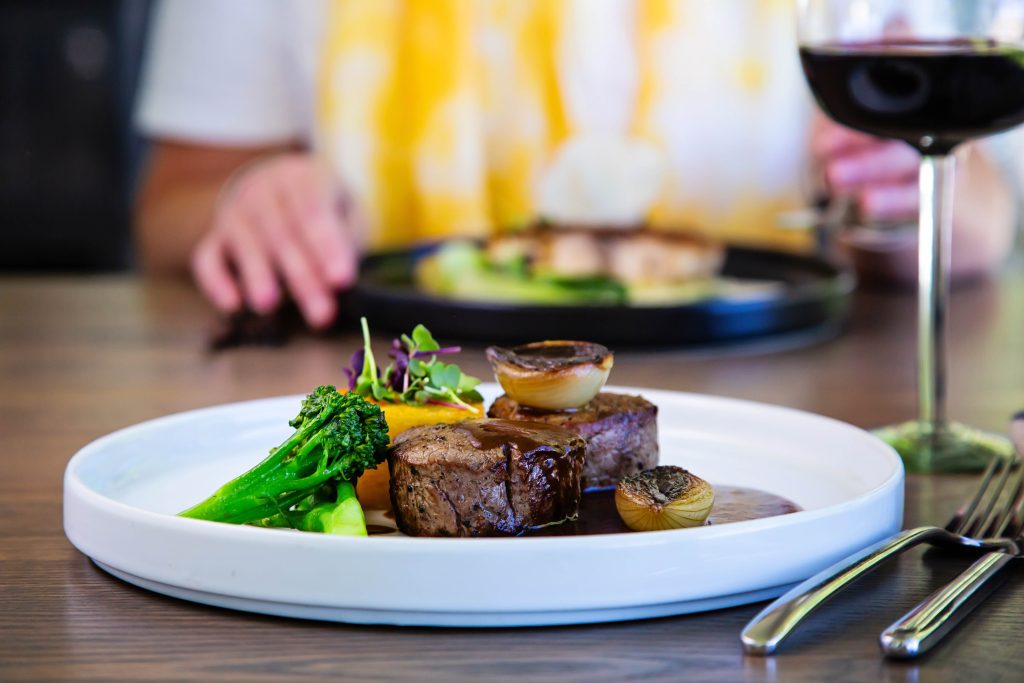
Open-fire cooking, roasting and slow braising all change how flavour develops across meat, vegetables and sauces. Smoke introduces bitterness and depth, while caramelisation increases sweetness and richness. These changes influence how tannins, fruit intensity and oak interact with the final dish.
Professional kitchens usually account for preparation method before selecting the wine:
Slow braising, charcoal cooking and delicate steaming methods all create different levels of richness, sweetness and texture, which is why cooking technique plays such an important role in successful wine pairing.
ℹ️ Tip: La Petite Ferme Shiraz works comfortably beside slow-cooked lamb or roasted beef because the wine’s structure settles naturally against richer textures and rendered fat.
Restraint Helps the Wine Perform
Heavy sauces and excessive seasoning can overpower a pairing, making it difficult for the wine’s structure, fruit and acidity to remain noticeable beside the dish. Richard Carstens described his philosophy to Eat Out magazine as building on classical foundations while removing the unnecessary, allowing ingredients and seasonality to remain clear throughout the dish.
Wine Folly guides its readers on acidity, sweetness and tannin structure and when they all directly affect how wine behaves alongside food. Cleaner plating and more restrained flavour combinations allow both the dish and wine to retain clarity throughout the dining experience.
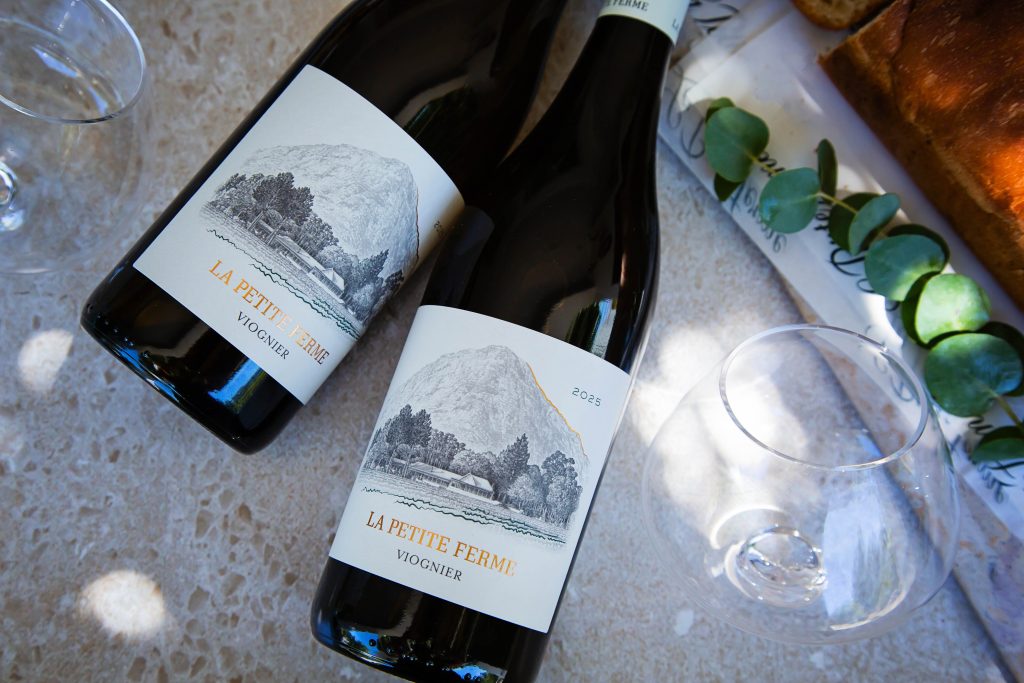
ℹ️ Tip: La Petite Ferme Viognier pairs naturally with gently spiced dishes and aromatic ingredients because the wine carries enough fruit weight to soften heat without masking the food itself.
Book a table at La Petite Ferme and experience seasonal Franschhoek dining inspired by thoughtful wine and food pairing tips, with boutique wines carefully matched to every course.
Frequently Asked Questions
1. Why does acidity matter in wine pairings?
Wine and food pairing tips usually focus heavily on acidity because brighter wines refresh the palate and balance richer dishes during a meal.
2. Does the cooking method affect wine pairing?
Cooking method affects wine pairing because smoke, roasting, butter and char all change flavour intensity and texture on the palate.
3. Why do tannic red wines suit richer meat dishes?
Tannic red wines suit richer dishes because protein and rendered fat soften the drying effect created by firmer tannins.
4. Can heavily seasoned food overpower wine?
Heavily seasoned food can overpower wine because excessive spice, sweetness or salt may suppress acidity and flatten delicate wine characteristics.
5. What is the basic rule for pairing wine and food?
The basic rule of wine and food pairing is to balance the weight and intensity of both. Light dishes usually pair better with lighter wines, while richer dishes often suit fuller-bodied wines.
6. Which wine pairs best with seafood?
Seafood typically pairs best with crisp white wines such as Sauvignon Blanc, Chardonnay or Viognier, especially when the dish includes citrus, herbs or lighter sauces.
7. Should red wine always be paired with meat?
Red wine is commonly paired with meat, but this is not always necessary. Cooking style, seasoning and sauce often matter more than the ingredient itself.
8. How do chefs pair wine with food?
Chefs pair wine with food by analysing acidity, sweetness, tannins, texture, fat content and cooking method to create balance and enhance flavour throughout the meal.